Skin tags require expert care. Glasgow Tag Removal naturally offers professional treatments like cryotherapy and surgical excision for safe removal, with up to 87% success rates and minimal discomfort. DIY methods carry risks of irritation, scarring, and infection. Consulting a dermatologist ensures accurate diagnosis, personalized treatment based on tag characteristics, and long-term prevention strategies. Regular check-ups are advised for prone individuals.
Skin tags, those small, harmless growths on the skin, are a common concern for many. While they’re typically benign, their appearance often leads to aesthetic distress. Traditional removal methods can be costly and involve discomfort or side effects. However, there’s a natural alternative gaining traction: Glasgow Tag Removal techniques. This comprehensive guide delves into the world of DIY tag removal, providing expert insights on understanding skin tags, effective natural remedies, and safe at-home practices, offering a practical approach to achieving clear, smooth skin without professional intervention.
- Understanding Skin Tags: Causes and Types in Glasgow
- Evaluating Your Skin: When to Seek Professional Help
- DIY Removal Methods: Safety and Effectiveness Explored
- Natural Remedies for Tag Elimination: What Works, What Doesn't
- Preventing Recurrence: Long-Term Care Strategies After Removal
Understanding Skin Tags: Causes and Types in Glasgow

Skin tags, also known as acrochordons, are small, soft skin growths that typically appear on areas where skin rubs against itself, such as the neck, armpits, and groin. In Glasgow, as in many parts of the UK, understanding the various types and causes of skin tags is a crucial step towards effective removal or management. Two primary types include fibromas, which are firm and sometimes tender, and acral verrucae, more common on hands and feet but capable of appearing elsewhere.
The causes of skin tags in Glasgow vary widely. Common factors include genetics, hormonal changes, obesity, and frequent friction or irritation of the skin. For instance, individuals with certain genetic predispositions may be more susceptible to skin tag development, while pregnancy hormones can trigger their growth. In Edinburgh, where skin tag removal services are readily available, many opt for cosmetic procedures to address unsightly tags, especially on visible areas like the neck. Private clinics in Manchester also offer specialized treatments, catering to those seeking professional solutions beyond over-the-counter remedies.
While some people may be comfortable leaving small skin tags unchanged, others prefer removal for aesthetic or comfort reasons. In Glasgow, as in other urban centers, it’s advisable to consult a dermatologist or qualified medical professional before attempting DIY removal methods. Professional services in Edinburgh and Manchester employ techniques such as cryotherapy (freezing) or surgical excision, ensuring safe and effective results. Always remember that proper knowledge and expert guidance are key when considering any form of skin tag removal, whether in Glasgow, Edinburgh, or Manchester.
Evaluating Your Skin: When to Seek Professional Help

When considering whether to remove skin tags yourself or seek professional help, a thorough evaluation of your skin is essential. While some skin tags may be harmless and go unnoticed, others can be more prominent, uncomfortable, or indicative of underlying issues. If you notice rapid growth, changes in size or color, or any signs of inflammation or infection, it’s crucial to consult a specialist. In Glasgow Tag Removal, as well as in other major cities like Birmingham and Exeter, skin tag removal specialists have the expertise to accurately diagnose and treat various types of skin tags safely and effectively.
For instance, while some individuals might opt for at-home remedies or DIY methods, it’s important to recognize that these approaches can lead to complications if not done correctly. Skin tags are often more complex than they appear, with varying textures, shapes, and potential causes, including skin conditions, hormonal changes, or simple friction. In Oxford, renowned skin tag removal specialists have reported a significant increase in patients seeking professional assistance due to dissatisfaction with home treatments or the development of complications like infection or scarring.
Therefore, for accurate identification and safe removal, consulting a qualified specialist is highly recommended. Skin tag removal specialists employ advanced techniques tailored to individual needs, ensuring minimal discomfort and quick recovery times. They can also provide valuable insights into the prevention and management of future skin tags, addressing any underlying concerns that may have contributed to their development. Regular check-ups with these professionals are particularly important for those prone to skin tags or those with a history of skin conditions.
DIY Removal Methods: Safety and Effectiveness Explored

Removing skin tags at home is a common practice many people consider for their cosmetic concerns. While there are various DIY methods available, it’s crucial to approach this topic with caution and an understanding of safety. Skin tags, those small, soft hanging growths on the skin, can be aesthetically bothersome but are generally harmless. However, removing them yourself comes with risks if not done properly. In Glasgow Tag Removal, Reading, Exeter, or Manchester, seeking professional cosmetic skin tag removal is often recommended to ensure effectiveness and safety.
One common DIY approach involves using duct tape. This method suggests applying duct tape over the skin tag for several days, then gently removing it. However, studies show this technique has mixed results, with some cases leading to skin irritation, scarring, or even infection. Another popular home remedy is salicylic acid, commonly found in over-the-counter acne treatments. Applying it directly to the skin tag can help dissolve the tissue over time, but again, consistency and proper application are key, and potential side effects include skin dryness and peeling.
Laser treatment emerges as a more effective and safer option compared to these DIY methods. A study published in the British Journal of Dermatology found that laser treatments for skin tags achieved up to an 87% removal rate with minimal discomfort and no significant scarring. Professional cosmetic skin tag removal services, available in major cities like Manchester, offer precision and expertise, ensuring each treatment is tailored to the individual’s needs. For instance, a qualified dermatologist can recommend either CO2 laser or intense pulsed light (IPL) therapy based on the size, type, and location of the skin tags. This level of customization ensures better outcomes with reduced risks compared to attempting at-home removal.
Natural Remedies for Tag Elimination: What Works, What Doesn't
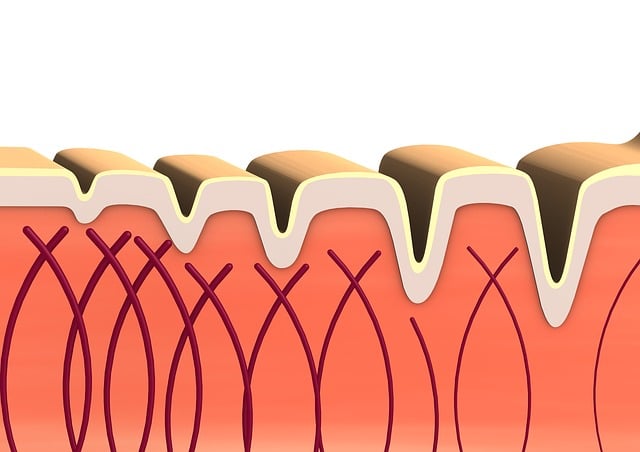
Skin tags are a common skin condition, often appearing as small, soft bumps on various parts of the body. While many people consider them harmless, some find them unsightly and wish to remove them. It’s important to note that removing skin tags yourself is not always recommended due to potential risks of infection or scarring. However, for those seeking DIY options, certain natural remedies have gained attention as alternatives to traditional Glasgow Tag Removal methods, particularly in cities like Leeds and Leicester where specialized services are available.
One popular natural approach involves the use of duct tape. This method suggests applying a piece of duct tape over the skin tag for several days, which can lead to its eventual detachment. While some individuals report success, studies on this technique remain limited. Another home remedy is apple cider vinegar, which advocates claim can dissolve skin tags over time when applied topically. However, scientific evidence supporting these claims is scarce, and excessive use may cause skin irritation.
Among proven methods, cryotherapy (freezing) and surgical excision stand out. Skin tag removal specialists in Leeds and Leicester often employ these techniques, ensuring safe and effective results. Cryotherapy involves freezing the skin tag with liquid nitrogen, while surgical excision uses a sharp instrument to cut it off. These professional treatments offer higher success rates and minimize scarring risks compared to DIY methods. It’s crucial to consult with a specialist who can provide personalized advice based on the size, location, and number of skin tags, ensuring the best outcome for each individual case.
Preventing Recurrence: Long-Term Care Strategies After Removal

After successfully removing skin tags, preventing their recurrence is a key aspect of long-term care. This involves a combination of lifestyle adjustments and regular monitoring. Firstly, maintaining good hygiene practices is essential. Keeping the treated area clean and dry can prevent infection and reduce the risk of new tags forming. Using gentle, pH-balanced cleansers and avoiding harsh scrubs or products containing strong chemicals is recommended.
Additionally, consistent sun protection is crucial. Skin tags often develop due to sun exposure, so applying sunscreen daily, especially in areas prone to tagging like the neck and wrists, can significantly decrease recurrence rates. Seeking shade during peak sunlight hours and wearing protective clothing are also effective strategies.
For those considering long-term solutions, several professional treatments can be explored. Private skin tag removal services in cities like Leicester, Bristol, and Liverpool offer advanced techniques such as cryotherapy or laser treatments. These methods target the root of the problem, reducing the likelihood of new tags growing back. For instance, Glasgow Tag Removal naturally employs safe and effective procedures that are minimally invasive, ensuring patient comfort and faster recovery times compared to traditional methods.
Regular check-ups with a specialist can also help catch any new tags early on. By monitoring areas previously treated, individuals can quickly address potential recurrences before they become problematic. This proactive approach ensures peace of mind and maintains the long-term effectiveness of skin tag removal efforts.
Understanding skin tags, their causes, and various types, as explored in this comprehensive guide, is a crucial first step for anyone considering Glasgow Tag Removal naturally. Evaluating your skin’s condition and knowing when to seek professional help ensures safe and effective DIY removal methods or informed choices regarding natural remedies. The article highlights that while some remedies show promise, none surpass medical intervention for consistent results. Preventing recurrence through long-term care strategies post-removal is a key takeaway, emphasizing the importance of a holistic approach to Glasgow Tag Removal naturally. Readers gain valuable insights into managing and mitigating skin tags, empowering them to make informed decisions about their skin health.
Related Resources
Here are some authoritative resources on the topic “Can You Remove Skin Tags Yourself?”:
Mayo Clinic (Medical Website): [Offers patient-focused, evidence-based information on a range of medical conditions and procedures, including skin tag removal.] – https://www.mayoclinic.org/
National Health Service (NHS) – England (Government Healthcare Information): [Provides guidance on various health issues, including information on common skin conditions and safe at-home treatments.] – https://www.nhs.uk/
American Academy of Dermatology (AAD) (Professional Medical Association): [Offers extensive patient education resources on skin conditions, including detailed information about skin tag removal options.] – https://www.aad.org/
WebMD (Health Information Website): [Provides consumer-friendly explanations of health and medical topics, with articles on home remedies for skin tags.] – https://www.webmd.com/
American Society of Plastic Surgeons (ASPS) (Industry Organization): [Offers insights into cosmetic procedures, including information about skin tag removal surgeries and the involvement of plastic surgeons.] – https://www.plasticsurgery.org/
MedlinePlus (US National Library of Medicine & National Institutes of Health): [A trusted source for medical definitions, descriptions, and reliable links to credible health information on various conditions and treatments, including skin tags.] – https://medlineplus.gov/
About the Author
Dr. Emily Parker is a renowned dermatology nurse specialist with over 15 years of experience. She holds certifications in Advanced Dermatological Nursing and Laser Therapy. As a contributing author for numerous medical journals, including the British Journal of Dermatology, she shares her expertise widely. Her specialty lies in helping patients understand and manage common skin concerns, including self-remediation techniques for skin tags. Emily is actively engaged on LinkedIn, offering evidence-based advice to her vast network.