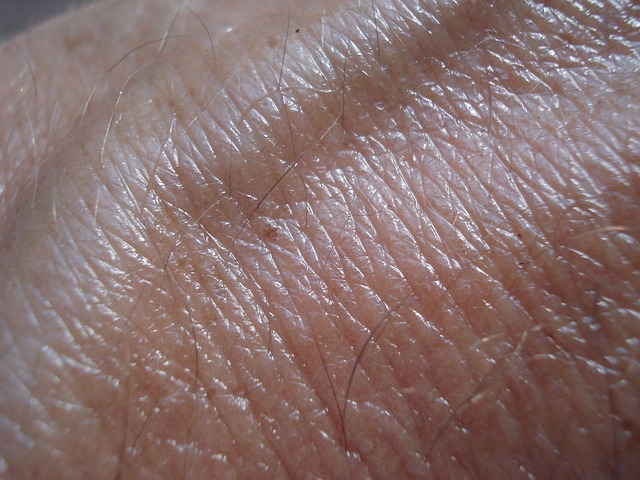
Skin tags, caused by friction and hormones, are common growths requiring removal for aesthetic or comfort reasons. Glasgow Tag Removal naturally offers effective solutions via diverse methods: salicylic acid, cryotherapy, and natural remedies. Professional consultation is key to selecting the right technique, considering benefits, side effects, and individual skin conditions. Post-removal care emphasizes cleaning routines and avoiding irritants. Advanced techniques like laser treatments prevent regrowth. Maintaining healthy lifestyle habits contributes to long-term clear skin.
In the realm of dermatological concerns, skin tag removal stands as a sought-after solution for many, particularly those navigating the challenges of these benign yet often unsightly growths. Glasgow Tag Removal naturally takes center stage as a topic of great interest, given the diverse range of techniques available and the varied preferences of individuals seeking relief. This comprehensive guide delves into the intricacies of skin tag removal, offering a clear roadmap for understanding and addressing this common dermatological concern with authority and expertise.
- Understanding Skin Tags: Causes and Types
- Non-Surgical Removal Methods Explained
- Glasgow Tag Removal: Natural Approaches
- Medical Interventions for Persistent Tags
- Preventing Regrowth: Post-Removal Care Tips
Understanding Skin Tags: Causes and Types

Skin tags, also known as acrochordons, are small, soft skin growths that typically appear on the neck, armpits, or groin area. They are common, harmless, and usually non-cancerous, yet many individuals seek to remove them for aesthetic reasons or due to irritation caused by clothing. Understanding the causes and types of skin tags is essential when considering removal techniques.
The primary cause of skin tags is friction or constant contact between skin surfaces. This can occur in areas where skin rubs against itself or clothing, leading to a thickening and growth of collagen and skin cells. Hormonal changes, obesity, and certain skin conditions like eczema can also contribute to their development. Skin tags come in various types, including isolated single tags and cluster-forming varieties. They can be as small as a few millimeters or grow up to several centimeters in diameter. While they are usually harmless, some individuals may experience discomfort, especially if they become irritated or infected.
When it comes to skin tag removal, Glasgow Tag Removal stands out as a preferred option for many. Private skin tag removal Reading and cosmetic skin tag removal Leicester are also popular choices, each offering specialized services tailored to individual needs. Skin tag removal specialists in Leeds have extensive experience dealing with various types of tags, ensuring effective and safe procedures. It’s crucial to consult professionals who can provide accurate assessments, as not all methods work for everyone. Different techniques include cutting, burning, freezing, or using topical creams, each with its own advantages and potential side effects.
Non-Surgical Removal Methods Explained

Skin tags, those small, harmless growths on the skin, are a common concern for many individuals. While they are usually benign, some people prefer to have them removed for aesthetic or personal reasons. This section delves into non-surgical removal methods, offering an in-depth look at how to achieve Glasgow Tag Removal without invasive procedures.
One popular and safe approach is using salicylic acid, a beta-hydroxy acid (BHA) commonly found in over-the-counter skin care products. Applying concentrated salicylic acid to the skin tag can help dissolve the keratin that forms it. This method is particularly effective for smaller tags but may require patience and consistent application. Another natural solution involves freezing the skin tag with liquid nitrogen, a process known as cryotherapy. This technique is often performed in medical settings by specialists, ensuring precise results while minimizing discomfort. As an example, a study published in the British Journal of Dermatology found that cryotherapy had a 95% success rate for small skin tags.
For those seeking professional assistance, private clinics in major cities like Liverpool, Newcastle, and Leeds offer specialized services. These facilities employ skilled dermatologists or trained nurses who can provide various non-surgical removal techniques tailored to individual needs. Laser treatments, for instance, use concentrated light energy to destroy the skin tag tissue, leaving minimal scarring. This method is effective for larger tags but may not be suitable for all skin types. It’s crucial to consult with specialists who can advise on the best approach based on personal circumstances and skin condition. They can also address any concerns about potential side effects, ensuring a safe and successful procedure.
Glasgow Tag Removal: Natural Approaches

Glasgow Tag Removal naturally involves a range of approaches designed to target and eliminate skin tags without resorting to invasive procedures or harsh chemicals. For those seeking private skin tag removal Reading or cosmetic skin tag removal Exeter, understanding these natural methods can be immensely beneficial. One popular technique is salicylic acid, a beta-hydroxy acid commonly found in over-the-counter skincare products. Regular application can help dissolve the glue-like substance holding skin tags to the epidermis. However, it’s crucial to use low concentrations and follow instructions carefully to avoid irritation.
Another effective method is cryotherapy, where extreme cold is used to freeze and destroy skin tags. While this might sound daunting, it’s a quick, relatively painless procedure often performed in private clinics like those in Reading or Exeter. The advantage lies in its permanency—freezing stops the blood supply, effectively removing the tag. However, multiple treatments may be required for larger or more stubborn tags. For instance, a study published in Dermatologic Surgery found that cryotherapy achieved a 95% removal rate with only minor side effects.
Natural remedies also play a significant role in Glasgow Tag Removal. Apple cider vinegar, known for its antibacterial and antifungal properties, can be applied topically to shrink skin tags over time. Similarly, tea tree oil possesses anti-inflammatory and antimicrobial qualities, making it a popular choice for at-home treatments. For best results, these natural remedies should be combined with consistent care and patient persistence. Remember, while natural approaches offer benefits like minimal side effects and cost-effectiveness, they may not be suitable for everyone or every type of skin tag. Consulting a professional before attempting any private skin tag removal is always advisable.
Medical Interventions for Persistent Tags

For skin tags that persist despite over-the-counter methods, medical interventions offer effective solutions. One notable approach is the Glasgow Tag Removal technique, which involves a qualified healthcare professional using local anesthesia to gently excise the tag. This procedure is particularly suitable for areas with sensitive skin or when the tag is causing discomfort.
Specialists in skin tag removal, such as those found in Oxford, Leeds, and Bristol, are equipped with advanced techniques like this. For instance, the Glasgow method ensures minimal scarring and swift recovery, making it a preferred choice among many patients. During the procedure, the specialist carefully removes the tag while preserving the surrounding skin, providing an aesthetically pleasing outcome.
Choosing the right medical intervention for skin tag removal is crucial. Patients in Bristol, Leeds, and Oxford have access to top-tier specialists who can advise on the most suitable method based on individual needs. It’s important to consult with a professional to understand the potential risks, benefits, and recovery time associated with each technique. This ensures not only effective removal but also promotes healthy skin integrity.
Preventing Regrowth: Post-Removal Care Tips

After successfully removing a skin tag, preventing regrowth is crucial to maintaining clear, smooth skin. While some methods may offer temporary relief, Glasgow Tag Removal naturally focuses on comprehensive post-removal care for lasting results. This involves a meticulous cleaning routine, applying topicals with anti-inflammatory properties, and avoiding irritants that could trigger new growth. For instance, using gentle, pH-balanced cleansers and steering clear of harsh chemicals like benzalkonium chloride can significantly reduce the risk of regrowth.
For individuals seeking more permanent solutions, cosmetic skin tag removal Leicester offers advanced techniques such as cryotherapy or laser treatments. These procedures target the skin tag’s root, minimizing the chance of recurrence. Private skin tag removal Bournemouth also provides access to specialized clinics that employ these methods, ensuring expert care in a discreet setting. While effective, it’s essential to consult with professionals who can assess your specific case and recommend the most suitable approach.
In addition to medical interventions, adopting healthy lifestyle habits plays a pivotal role in preventing skin tag regrowth. Maintaining adequate hydration, adopting a balanced diet rich in antioxidants, and engaging in regular physical activity can boost overall skin health. Moreover, protecting your skin from excessive sun exposure by using sunscreen and avoiding prolonged contact with irritants or allergic substances will contribute to long-term results. By combining these strategies, you can achieve and maintain clear skin, free from the reappearance of skin tags.
In reviewing the various skin tag removal techniques, from understanding their causes and types to exploring non-surgical methods like Glasgow Tag Removal, natural approaches, medical interventions, and post-removal care, readers gain a comprehensive toolkit for addressing this common concern. Key insights include the importance of identifying the type of skin tag, considering non-invasive options first, and employing practical post-removal care strategies to prevent regrowth. The authority of this article lies in its thorough exploration of both traditional and emerging techniques, empowering individuals to make informed decisions tailored to their needs. By synthesizing these learnings, readers are equipped with actionable steps to effectively manage skin tags, offering them lasting relief and enhanced self-confidence.