
Tea tree oil, a natural remedy, offers an accessible and cost-effective alternative to surgical or freezing methods for Glasgow Tag Removal naturally. With antimicrobial and anti-inflammatory properties, it is applied topically as a diluted blend, requiring consistent use over several weeks. Skincare preparation focuses on pH balance, exfoliation, and hydration. Individual results vary based on skin type and tag severity; consult a specialist for sensitive areas.
Skin tags, those small, harmless growths on the skin, can be a common yet irritating concern for many individuals. While various commercial removal options exist, many seek natural alternatives due to their effectiveness and minimal side effects. Tea tree oil, renowned for its antimicrobial and anti-inflammatory properties, has emerged as a promising solution. This essential oil, when applied topically, can gently but effectively target and eliminate skin tags, offering a natural approach to Glasgow Tag Removal that’s gaining popularity among those seeking holistic wellness solutions.
- Understanding Tea Tree Oil for Skin Tag Removal
- Preparing Your Skin for Glasgow Tag Removal Naturally
- Application Techniques and Aftercare for Optimal Results
Understanding Tea Tree Oil for Skin Tag Removal

Tea tree oil, a potent essential oil derived from the leaves of the Australian tea tree (Melaleuca alternifolia), has long been recognized for its antimicrobial and anti-inflammatory properties. These unique characteristics make it an effective natural remedy for various skin conditions, including skin tag removal. When it comes to addressing these small, hanging skin growths, particularly in areas like Glasgow Tag Removal, tea tree oil offers a gentle yet potent solution that’s gaining popularity among those seeking alternative treatments.
Skin tags, also known as acrochordons, are common and usually harmless but can be unsightly or irritating. Traditional removal methods often involve surgical excision or freezing, which may not be suitable for everyone due to cost, availability, or potential side effects. Tea tree oil provides a promising alternative approach. Its antimicrobial properties help eliminate the skin tag by inhibiting bacterial growth in the area, while its anti-inflammatory nature soothes and calms the skin, reducing discomfort and potential irritation associated with other removal techniques.
For effective Glasgow Tag Removal using tea tree oil, a concentrated solution is key. Typically, a 5–10% tea tree oil blend is recommended for topical application. You can dilute it in a carrier oil like jojoba or coconut oil to ensure safety and enhance absorption. The process involves gently cleansing the affected area, applying the diluted oil, and allowing it to sit for several hours or overnight. Regular applications over a period of days or weeks may be necessary to completely remove the skin tag. This natural approach is readily accessible, cost-effective, and can be done at home, making it an attractive option for those seeking skin tag removal near me in Cardiff, Milton Keynes, or Leeds. However, it’s essential to note that individual results may vary, and persistent or unusual growths should be evaluated by a healthcare professional.
Preparing Your Skin for Glasgow Tag Removal Naturally
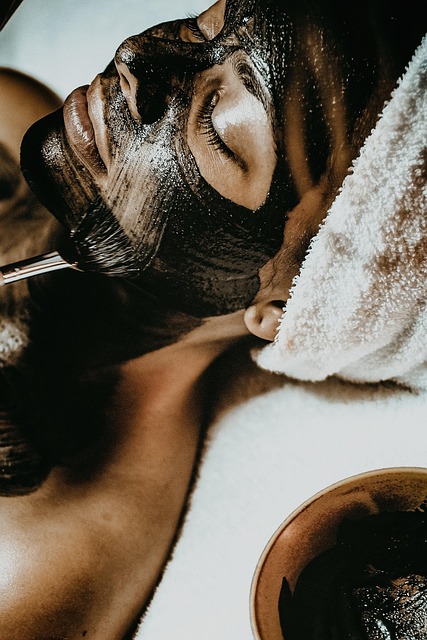
Preparing your skin for Glasgow tag removal naturally is a crucial step in achieving effective and safe results. Before attempting any home remedy or alternative treatment, it’s essential to understand the sensitivity of your skin and how to properly prepare it. For those seeking skin tag removal near me in Oxford, Manchester, or Milton Keynes, understanding this process can significantly enhance outcomes.
First, maintain your skin’s pH balance by using gentle, mild cleansers that won’t strip natural oils. This is especially important when considering Glasgow tag removal naturally, as tea tree oil, a popular choice for this method, has a slightly acidic pH. Regularly exfoliating to remove dead skin cells also prepares your skin, enhancing the effectiveness of tea tree oil. Be sure not to over-exfoliate, however, as this can cause irritation.
Hydration is another key component. Keep your skin well-moisturized to maintain its elasticity and prevent dryness, which can occur during Glasgow tag removal naturally treatments. A good moisturizer can also help soothe the skin after application of tea tree oil, a common irritant. Additionally, consider incorporating natural remedies like aloe vera or honey into your skincare routine; these ingredients have anti-inflammatory properties that can further prepare your skin for treatment and aid in healing afterward.
By preparing your skin naturally, you create an optimal environment for Glasgow tag removal. This approach not only enhances the effectiveness of tea tree oil but also reduces the risk of complications. Remember, consistency is key; maintain a regular skincare routine focused on gentle cleaning, exfoliation, hydration, and natural remedies to achieve the best results for skin tag removal near you.
Application Techniques and Aftercare for Optimal Results
Using tea tree oil for Glasgow tag removal offers a natural approach to this common skin concern. The key lies in meticulous application techniques and post-application care. To achieve optimal results, start by diluting a few drops of pure tea tree oil with a carrier oil like jojoba or almond oil—this ensures the strength is suitable for direct contact with your skin. Using a clean Q-tip or cotton swab, gently dab the diluted oil onto the tag, focusing on its base. Repeat this process twice daily, allowing the oil to dry naturally; consistent application over two to three weeks often leads to noticeable reductions in tag size and eventual removal.
Post-application care is paramount. Following each treatment, thoroughly wash your skin with a mild cleanser to remove any residual oil. Moisturize gently afterward to maintain skin hydration; tea tree oil can be drying if overused. Avoid direct sunlight for 24 hours after application; while tea tree oil has natural SPF properties, its concentrated use may temporarily sensitize the skin to UV rays. If using it near sensitive areas like the neck or face, consider consulting a skin tag removal specialist in Oxford or Leeds for personalized advice, as these areas require extra care.
For those exploring private skin tag removal in Leicester or considering DIY methods, tea tree oil offers a promising option with minimal side effects when used correctly. However, if tags persist or show signs of infection—redness, swelling, pain—discontinue use and consult a dermatologist for alternative treatments. Remember, while tea tree oil can be effective, individual results vary based on skin type, tag size, and severity.
By embracing a natural approach to Glasgow Tag Removal, you can harness the power of tea tree oil as an effective, safe alternative to conventional methods. This article has equipped you with a comprehensive understanding of tea tree oil’s anti-inflammatory and antimicrobial properties, making it ideal for eliminating skin tags. Key takeaways include preparing your skin by cleansing and exfoliating, applying a diluted tea tree oil solution using a cotton swab or Q-tip, and implementing aftercare practices to enhance healing. Consistently following these steps can lead to successful Glasgow Tag Removal naturally, promoting smoother, clearer skin. Next steps involve exploring different dilution ratios and application techniques for personalized treatment while continually prioritizing your skin’s health and well-being.